BlogRules · 5 min read
Low-Risk Foods in Ontario: What a Home Kitchen Can Sell
Ontario eases the rules for home kitchens that sell only low-risk foods. Here is what counts, what does not, and the details that change the answer.
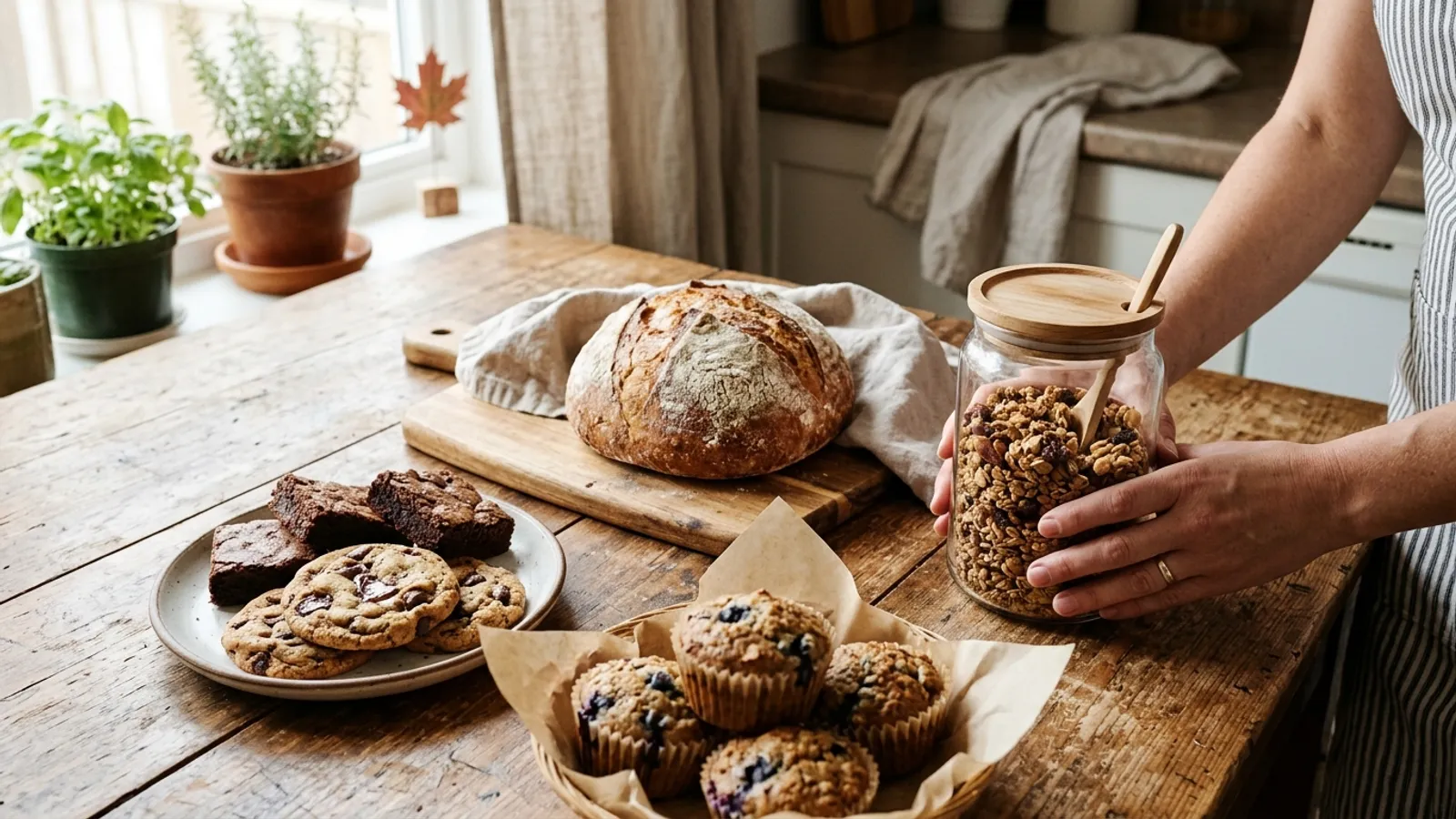
Two bakers on the same street can face two different rulebooks. One sells brown butter cookies and sourdough. The other sells the same cookies plus a cheesecake. The first is a low-risk food business in Ontario's eyes, and the second is not, because of one item on the menu.
The province describes low-risk foods as items that are generally non-hazardous and do not need time and temperature control. A home business that prepares only those is exempt from some requirements. Here is the list as Ontario and its health units give it, with the places people most often get caught.
General information, not legal advice
1. Bread and buns, the plain kind
Most breads and buns qualify, with one condition in brackets.
The province's guide lists most breads and buns as low-risk, as long as they come without meat, cream filling and the like. A sourdough loaf, dinner rolls and plain bagels fit. A sausage roll or a cream-filled bun does not, because the filling is the part that needs temperature control.
2. Baked goods with no custard
Cookies, brownies and muffins are named outright; custard is the word to watch.
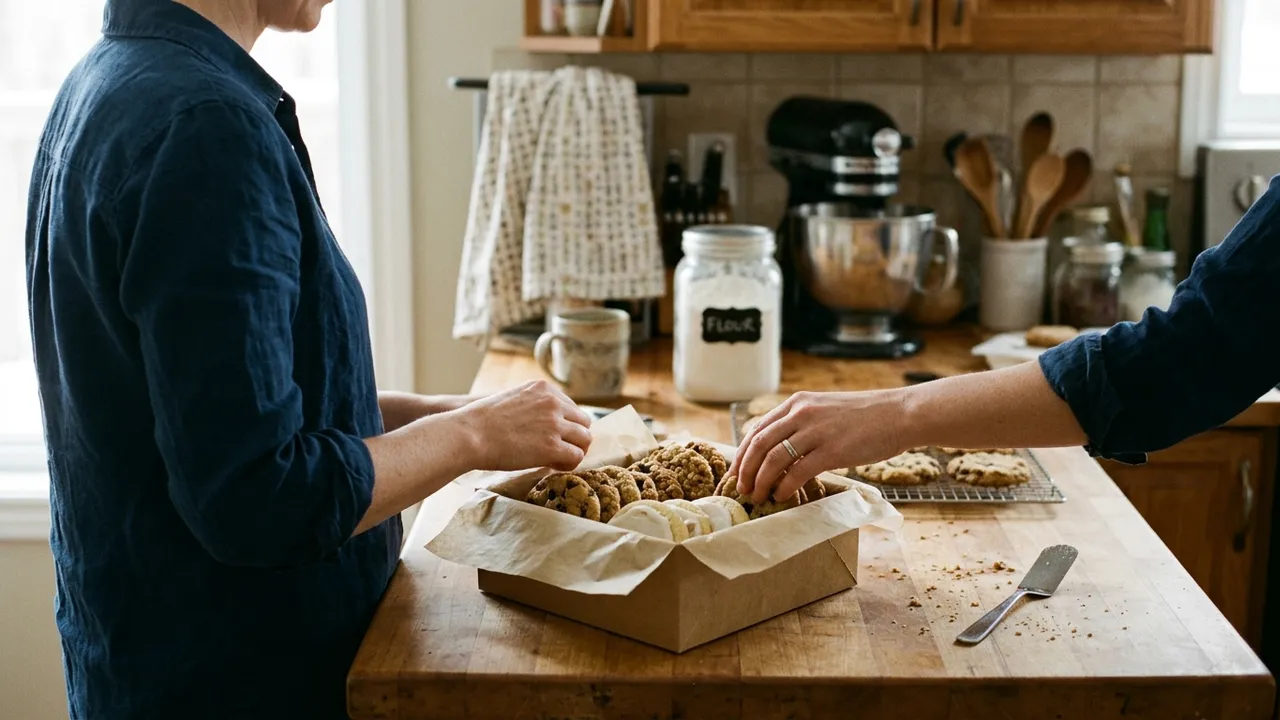
The guide's wording is most baked goods with no custard, and it names cakes, brownies, muffins and cookies among its examples. This is why cookie boxes and loaf cakes are such a common place to start.
A shortbread and a custard tart can come out of the same oven and land on opposite sides of the line. If a recipe sets with eggs and dairy and has to be chilled, assume it is not low-risk until an inspector tells you otherwise.
3. The icing test
A cake can be low-risk or not depending on what is spread on top of it.
Ontario's example is specific: cakes with icing that does not require refrigeration. York Region gives the other side of it and lists icing that needs refrigeration, such as cream cheese icing, among potentially hazardous foods.
So a carrot cake with a sugar glaze and a carrot cake with cream cheese icing are different products in the eyes of the rules. If you want to stay low-risk, choose an icing that keeps at room temperature for the cakes you sell.
4. Chocolate, fudge, toffee and brittle
Confectionery is on the list almost in full.
Chocolate, hard candies and brittles, fudge and toffees all appear in the province's examples. For candy makers this is good news: the core of the craft sits inside low-risk.
Watch what goes inside a chocolate. A solid bar is one thing; a fresh cream ganache filling is a dairy product with a short life, and worth a question to your health unit.
5. Coffee beans and tea leaves
The list covers the dry product, and stops there.
Coffee beans and tea leaves are named as low-risk. That is the bag of beans or the tin of loose tea. A cold brew or a bottled milk tea is a drink, and York Region reminds sellers that food means food or drink for human consumption, so drinks you prepare are covered by the same law.
6. Granola, trail mix, nuts and seeds
Dry, shelf-stable mixes are the quiet workhorses of the low-risk list.
Granola, trail mix, nuts and seeds round out the province's examples. They keep well, travel well and suit pre-orders, since they keep for days, not hours.
They are also where allergens concentrate. Tree nuts, peanuts, sesame and wheat all sit on Health Canada's list of priority allergens, so say clearly what is in each mix.
7. What takes you out of low-risk
The other list is short to describe: rich in protein, high in moisture, and unsafe at room temperature.
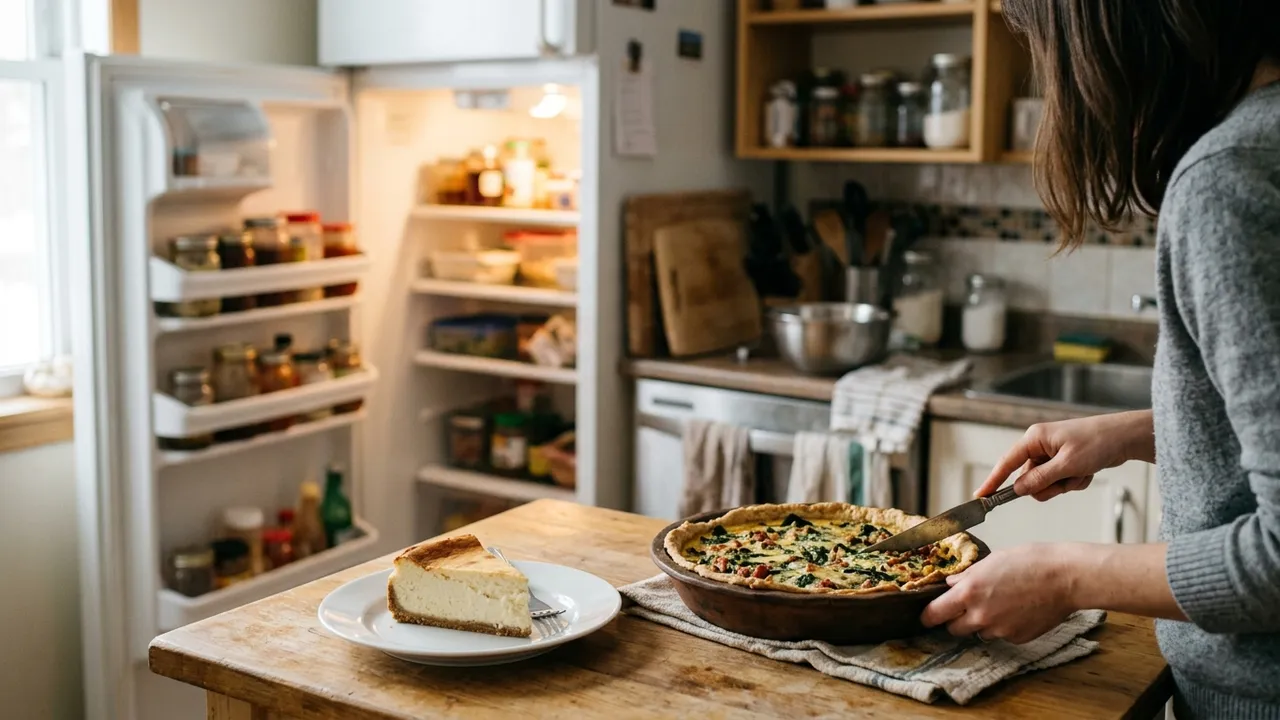
York Region's examples of potentially hazardous foods include products containing dairy, meat, fish, poultry and eggs, such as cream pies, custards, meat pies and quiches, along with cooked rice, potatoes and pasta. It also lists some raw vegetables and fruit, such as bean sprouts, garlic in oil, salads and cut melon.
One such item on your menu is enough to change your category. That is not a reason to drop it. It is a reason to know before the inspector visits.
8. Jams, pickles and preserves: it depends
Canning is the one area where even the health unit answers with a question.
Asked whether canned preserves are low-risk, York Region says the risk is determined by the type of food being preserved and the processing method used. Acidity and water activity decide it, not the fact that it is in a jar.
If preserves are your business, bring your recipes and your process to the inspector. It is the fastest way to a clear answer.
9. What the exemption actually changes
Low-risk does not mean unregulated; it means three specific things are waived.
According to the province, home businesses that prepare only low-risk foods are exempt from specified handwashing stations, from commercial dishwashing requirements and from food handling training certification. In practice, Peel Region accepts handwashing at the dishwashing sink and a domestic dishwasher for this group.
Everything else stays. You still wash your hands before handling food, keep an approved sanitizer on site, store business food apart from household items and buy from approved sources. You still notify your health unit before you start, and you are still inspected: in Peel, at least once a year.
Questions people ask
Is cheesecake a low-risk food in Ontario?
It does not fit the description. Cheesecake is a dairy product that needs refrigeration, and health units list dairy products and foods that need temperature control as potentially hazardous. Ask your inspector, but plan for the full requirements if cheesecake is on your menu.
Do I still get inspected if I only sell cookies?
Yes. Every home-based food business is a food premises and is inspected by its local public health unit. Selling only low-risk foods changes some requirements, not whether you are inspected.
Do I need a food handler certificate to sell baked goods?
Not if you prepare only low-risk foods: the province lists food handling training certification among the exemptions. York Region still calls the certificate strongly recommended.
How does Dish.ly help a low-risk seller?
Dish.ly handles the ordering side for bakers and makers: a page for your menu, a cut-off for each bake day, a limit on how many boxes you can make, and payment by card or Interac e-Transfer when the customer orders. Your health unit remains the authority on what your kitchen may sell.
BAKE TO ORDER
Sell out your next bake day, on purpose
List your boxes on a Dish.ly order page, cap the quantity and close orders at your cut-off. There is no monthly fee.
Create my order page