BlogRules · 5 min read
How to Sell Food From Home in Ontario: 7 Steps Before Day One
Selling food from home in Ontario is allowed, but your kitchen becomes a food premises. Here are the seven steps to take before your first order.
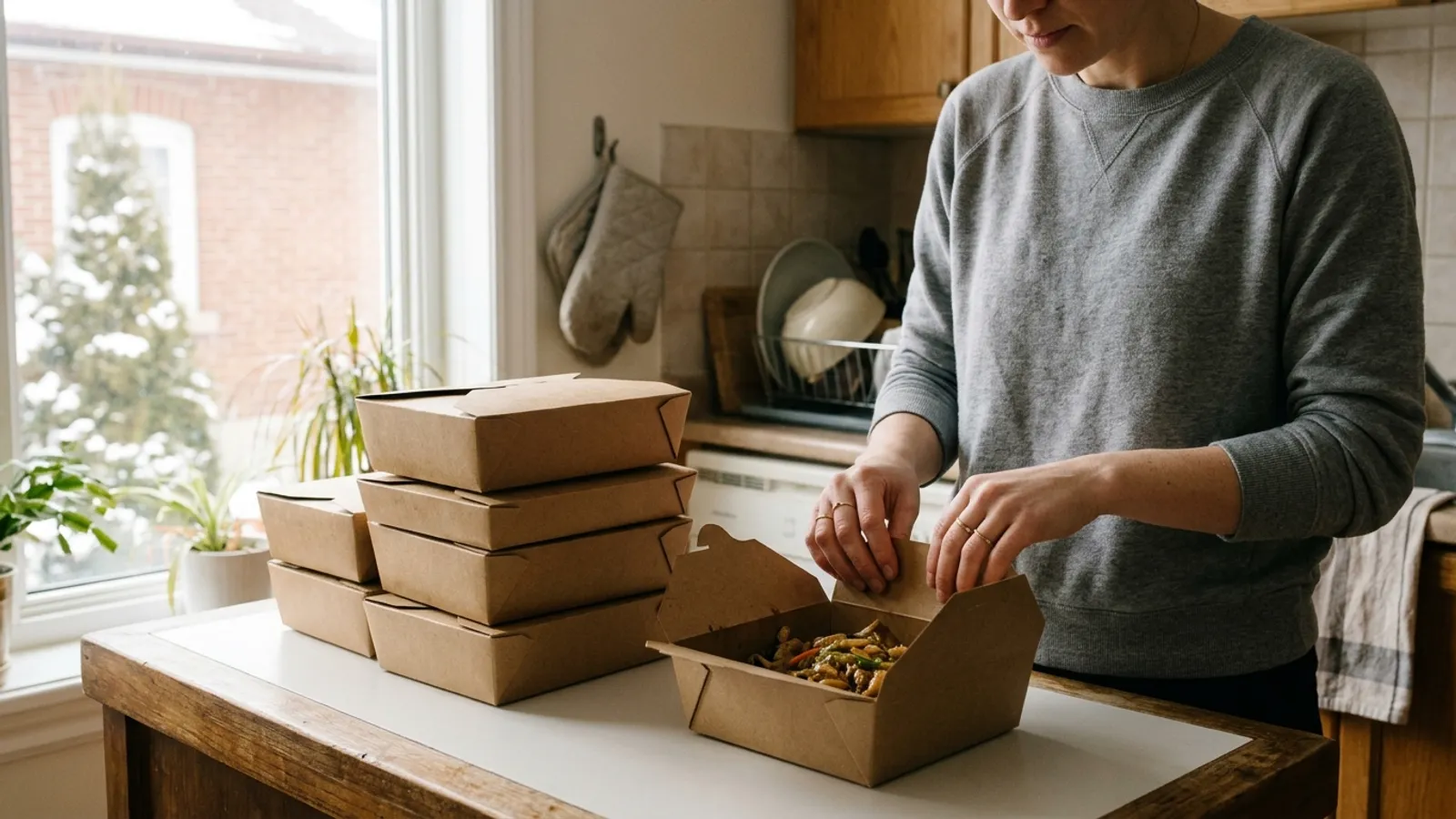
Ontario lets you cook for the public from your own kitchen. Private chefs do it, market vendors do it, and so does the neighbour whose samosas sell out every Friday. What changes the day you take money is the kitchen itself: the part of your home where food is prepared, cooked and stored is treated as a food premises, with the same law behind it as a restaurant.
That sounds heavier than it is. Since January 1, 2020, the province has made it easier to sell low-risk foods made at home, and for everything else the path is clear once you know the order to do things in. These are the seven steps, in that order.
General information, not legal advice
1. Your menu decides your rulebook
Before you call anyone, write down exactly what you plan to sell, because the rules split on that one question.
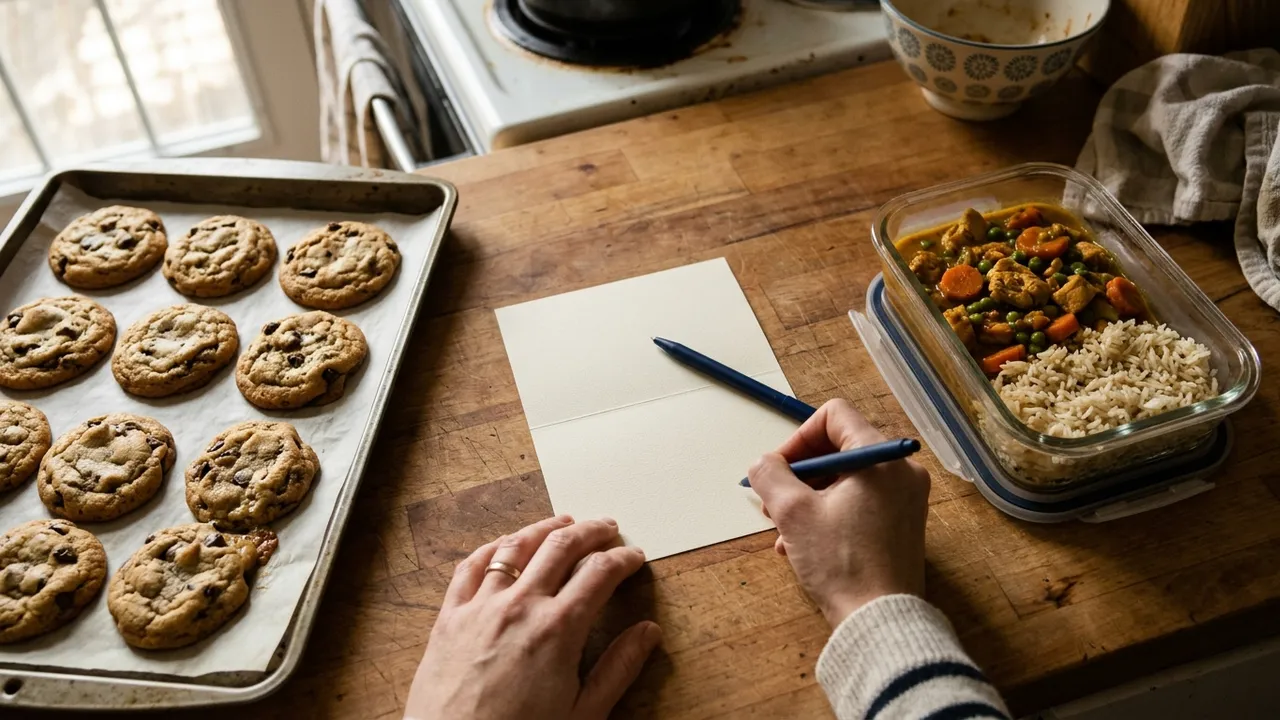
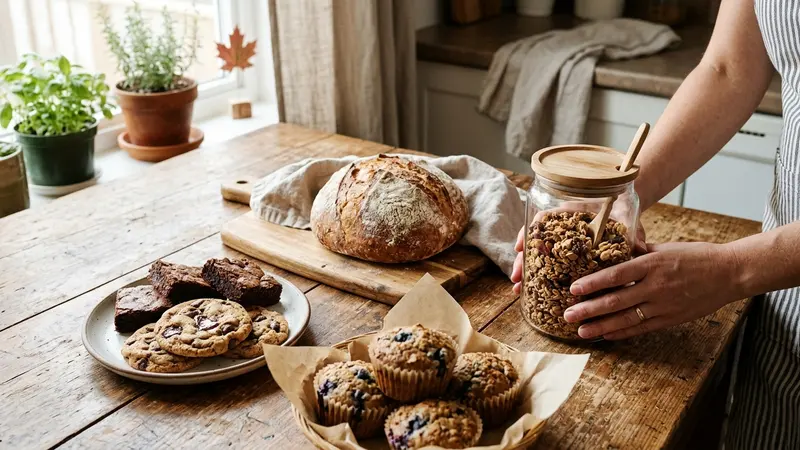
Ontario separates low-risk foods from everything else. Low-risk foods are described as non-hazardous items that do not need time and temperature control: most breads and buns, most baked goods with no custard, cookies, brownies, muffins, fudge, granola and coffee beans are the province's own examples.
If you sell only those, you are exempt from some requirements. If your menu includes meat, dairy, eggs, cooked rice, pasta or anything that has to stay cold or hot, the full requirements apply. Neither answer stops you. It only tells you which list you are working from.
2. The call that comes before the first sale
Every official guide agrees on one thing: tell your public health unit before you start, not after.
The province's guide says you are required to contact the public health unit where your business will be located and let them know you are a new food operator. In Toronto that means notifying the Medical Officer of Health before starting, through a form called Notify Toronto Public Health of a New Food Premises. After that, an inspector contacts you and explains what applies to your kitchen.
Treat that conversation as free advice. The inspector's job at this stage is to tell you what your menu requires, and it is far cheaper to hear it before you buy equipment.
3. City hall has its own questions
A pass from public health and permission from your city are two separate things.
Each municipality has its own by-laws on zoning, licensing, fire, property standards and waste collection. Peel Region's guide says plainly that these by-laws may affect whether a food business can be set up in a home at all, and asks operators to contact their municipality before opening.
The province gives the same advice: review zoning by-laws, municipal permits and licensing requirements for your area before you contact the health unit. Start with your city's business licensing office.
4. A kitchen an inspector can read at a glance
Most of the requirements are ordinary good practice, written down.
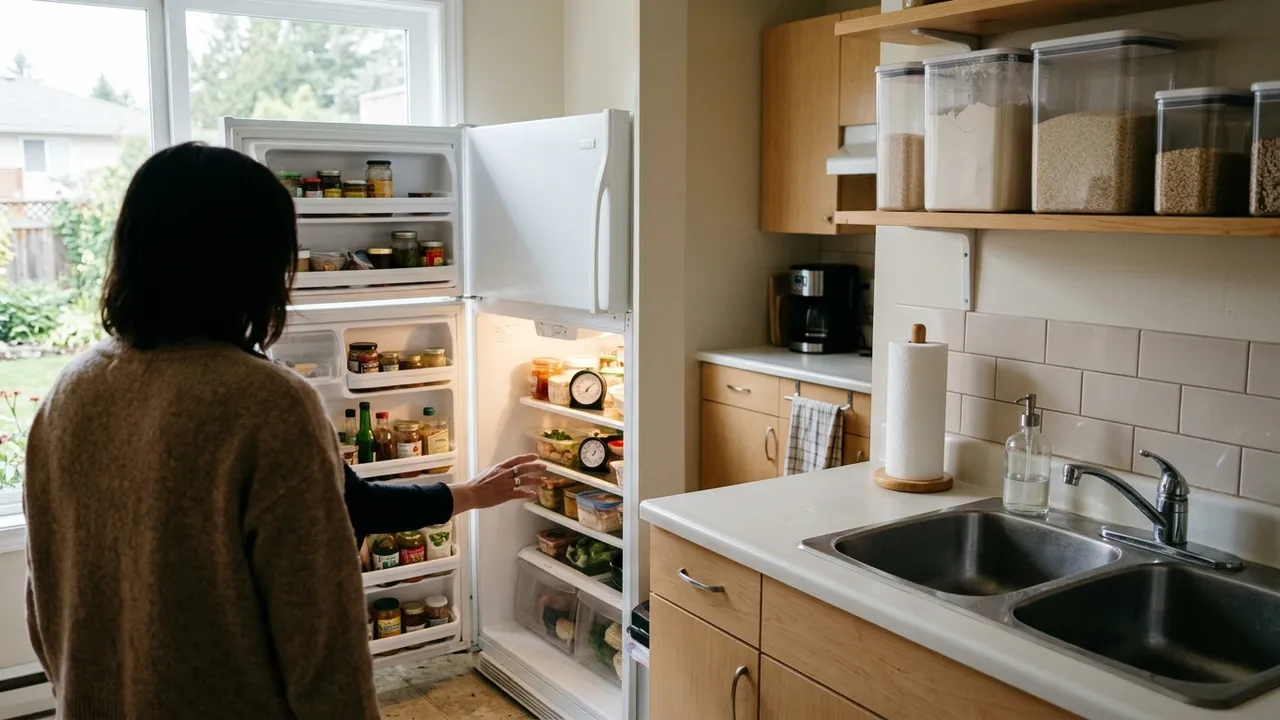
Health units in the GTA publish close to the same list. For any home-based food business, expect these basics.
If you sell foods that are not low-risk, the list gets longer: a designated handwashing sink in the food preparation area, and a two- or three-compartment sink or a commercial dishwasher for cleaning and sanitizing. Peel's guide notes that a domestic dishwasher is not accepted for that category.
- A working thermometer in every fridge and freezer
- An approved sanitizer on site, such as chlorine, quaternary ammonium or iodine
- Food and equipment for the business stored separately from household items
- Hot and cold running water, liquid soap and paper towels where hands are washed
- Ingredients bought from inspected or approved sources
- Smooth, non-absorbent surfaces that are easy to clean
5. The certificate worth having either way
If you cook meals, a certified food handler has to be there; if you only bake, the same course is still worth taking.
For foods that are not low-risk, York Region requires a certified food handler on site and Peel Region lists food handler certification as a requirement. For low-risk foods the certificate is not required, though York calls it strongly recommended.
It also gives you a straight answer when a customer asks how the food is made: the kitchen is inspected and the cook is certified.
6. Your results will be public
Inspection results are posted online, and that includes home kitchens.
Toronto posts results on its DineSafe website and puts an inspection notice at the premises. Peel posts results within 24 hours of an inspection. York's YorkSafe program publishes the type of premises, its name and address, and the date of inspection.
Two things follow. Your business name and address will appear on a public site, so decide early what name you trade under. And inspections repeat: in Peel, a low-risk home business is inspected at least once a year, a moderate-risk one at least twice and a high-risk one at least three times.
7. Orders and money, sorted before the rush
The rules cover your kitchen; most of the stress comes from how orders reach you.
Decide which days you cook, when ordering closes for each one, and how many portions you can honestly make. Decide how people pay and how you will know who has paid. Keep your receipts: for foods that are not low-risk, Peel's guide says records of where food was bought must be kept and produced on request.
A cook who has these answers on day one spends the first month cooking. A cook who does not spends it scrolling through messages.
Questions people ask
Do I need a licence to sell food from home in Ontario?
Ontario's guide sets out a duty, not a licence: you must notify your local public health unit before you start, and your kitchen is then subject to inspection. Your municipality may have zoning rules or require a business licence, and York Region notes that selling online may need approval from provincial or federal authorities, so ask before you ship anything.
Can I sell cooked meals from my home kitchen?
Yes, but meals with meat, dairy, eggs, rice or pasta are not low-risk foods, so the full requirements apply. That usually means a designated handwashing sink, a two- or three-compartment sink or commercial dishwasher, and a certified food handler. Speak to an inspector before you invest in equipment.
Will a health inspector come to my house?
Yes. The area of your home used to prepare, cook and store food for sale is a food premises and is inspected by your local public health unit. The results are disclosed publicly.
Where does Dish.ly fit in?
Dish.ly does not approve kitchens; your public health unit does. Dish.ly is the ordering side: an order page with your menu, a cut-off for each cooking day, limits on how much you can cook, and payment by card or Interac e-Transfer. Sellers confirm at sign-up that they follow the rules for their kitchen.
READY WHEN YOU ARE
Kitchen sorted? Take orders with one link
Put your menu on a Dish.ly order page, set a cut-off for each cooking day and let customers pay when they order. There is no monthly fee.
Create my order pageSources
- Ontario Ministry of Health: A Guide to Starting a Home-based Food Business (November 2021) (opens in a new tab)
- City of Toronto: Starting a Food Business (opens in a new tab)
- Peel Region: Operator's guide for home-based food business (opens in a new tab)
- York Region: Home-based food business (opens in a new tab)
- Ontario: public health unit locations (opens in a new tab)