BlogTaking orders · 4 min read
Pickup or Delivery? 7 Choices Every Home Kitchen Has to Make
Pickup from your door, your own delivery, or a courier: each changes your day and your costs. Seven choices to settle before the first order.
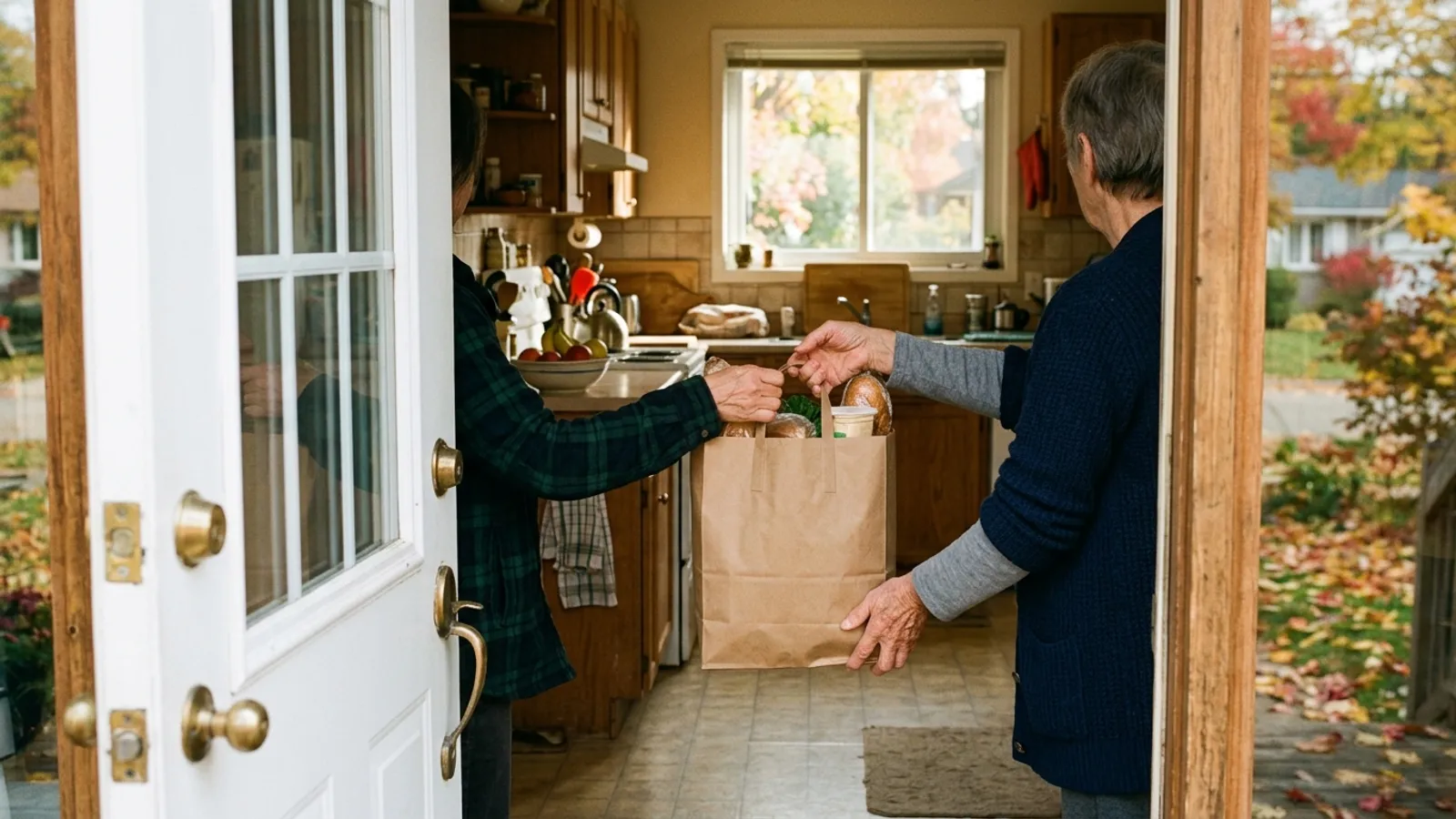
The food is the easy part to picture. Harder to picture is the moment it changes hands: a stranger at your front door at dinner time, or you in the car with eleven bags and a list of addresses while the last tray is still in the oven.
How an order leaves your kitchen shapes your whole cooking day, and your home is part of the answer in a way a restaurant's never is. These are the seven choices, roughly in the order you will meet them.
General information, not legal advice
1. Windows, not all afternoon
An open pickup day turns your home into a shop with no closing time.
Offer two or three windows of an hour or so and let each customer choose one. You will know when the doorbell will ring, you can pack in the order people arrive, and the rest of your day is yours. Put a limit on each window if your street is short on parking.
2. Who gets to know where you live
Your address is the one detail a home business cannot take back.
You do not have to publish it. Show the neighbourhood or the nearest intersection to people browsing, and send the exact address only to customers whose orders are paid. It is enough for someone to decide whether pickup is practical, and it keeps your front door out of search results.
One thing to know: public health inspection results are disclosed publicly, and in York Region, for example, that includes the name and address of the premises.
3. The porch, the door or the car
Decide the handover once, and write it into every confirmation.
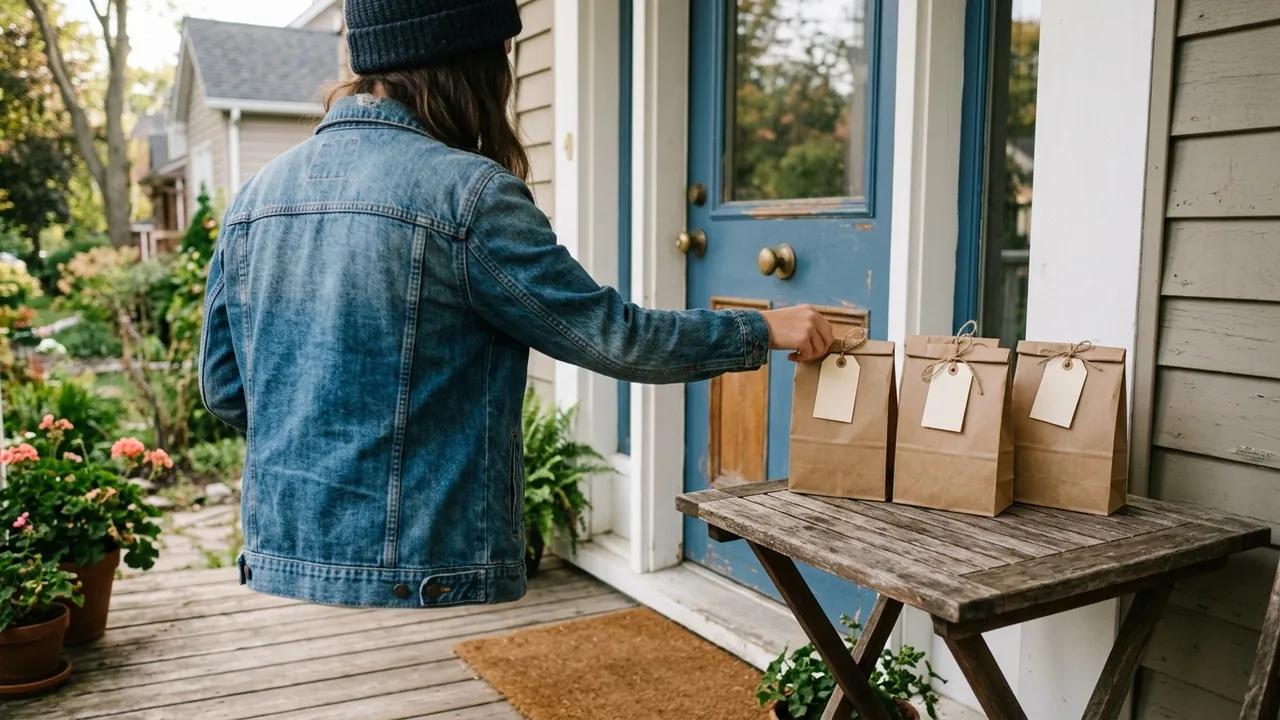
Some cooks hand each order over at the door. Some set a table on the porch with bags labelled by order number. Some walk orders out to the car. Each works; what does not work is a different arrangement for every customer. Choose one, describe it in a sentence, and say what happens to an order that is not collected by the end of its window.
4. Your own delivery: a fee and a line on the map
Delivering yourself is a second job, so price it and fence it.
Set a delivery fee that covers your fuel and your time, and a distance you will not go past. A round trip across town for one order can cost more than the order earns. Group deliveries into one run after cooking is finished, and tell customers the window, not a minute.
5. A minimum that makes the trip worth it
A single $12 order delivered eight kilometres away is a favour, not a sale.
Set a minimum order for delivery, or for everything if your dishes are small. It nudges customers towards a second item and protects you from trips that cost more than they bring in. Pickup can stay open to any size of order.
6. When a courier does the driving
A courier buys back your evening, at a price somebody has to pay.
Courier services collect from your door and deliver while the food is fresh, which lets you stay in the kitchen. The cost varies with distance, so decide who pays it. Passing the courier's price to the customer at checkout is the simplest arrangement: those who want the convenience can choose it.
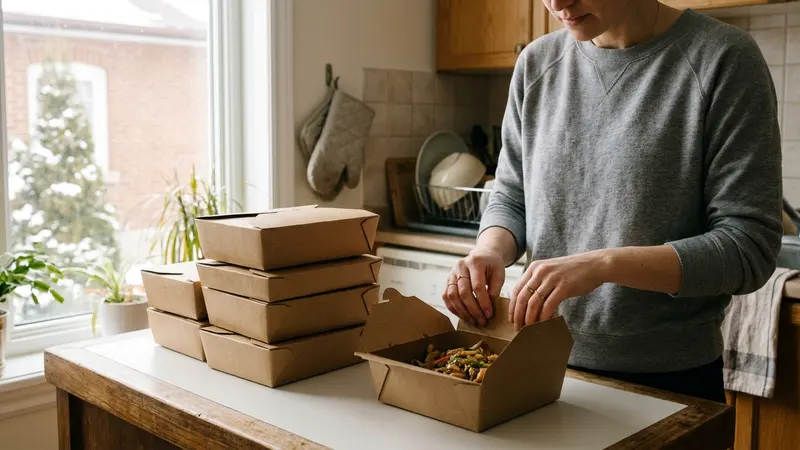
Pack for a journey you cannot see: sealed containers, upright bags and a label with the order number on the outside.
7. Hot food hot, cold food cold
The rules about temperature do not stop at your front door.
If you sell food that needs temperature control, the time between your kitchen and the customer matters. Ontario's Food Premises Regulation requires potentially hazardous food to be held at 4 degrees Celsius or colder, or at 60 degrees Celsius or hotter. Insulated bags, ice packs and short pickup windows are how home kitchens keep to that.
Ask your public health inspector how they expect you to handle pickup and delivery for your menu. It is a routine question, and the answer may shape your windows.
Questions people ask
Do I have to show my home address to customers?
No. You can show the neighbourhood or nearest intersection and send the exact address only to customers whose orders are paid. Be aware that public health inspection results, which health units publish, can include the address of the premises.
How much should I charge for delivery?
Enough to cover your fuel and your time, with a distance limit so one order cannot take an hour. If you use a courier, the simplest approach is to pass the courier's price to the customer at checkout.
Can I deliver hot meals from a home kitchen?
Food that needs temperature control must be kept cold enough or hot enough: Ontario's regulation sets 4 degrees Celsius or colder and 60 degrees Celsius or hotter. Ask your public health inspector how that applies to your delivery plans before you offer it.
How does Dish.ly handle pickup and delivery?
On Dish.ly you choose what to offer: pickup in the windows you set, your own delivery with your fee and distance, or courier delivery that the customer pays for at the courier's price. You can keep your address hidden until an order is paid, and each window can have a limit.
YOUR DOOR, YOUR RULES
Set your pickup windows and delivery in minutes
Choose pickup, your own delivery or a courier on your Dish.ly order page, and keep your address private until an order is paid. There is no monthly fee.
Create my order page